

A furnace that won't turn on already tells you which half of the system failed. Dead silence means a control problem: the thermostat, the breaker, the furnace disconnect, or the blower-door switch. A furnace that tries and quits has an ignition or gas fault instead. Find your row below, then work the reason it points to.
- Reason #1 Tripped Circuit Breaker
- Reason #2 Restricted Airflow
- Reason #3 Thermostat is Faulty
- The Thermostat Works but the Furnace Does Not Respond
- Reason #4 Indoor Fan Motor
- Reason #5 Burner Ignition Failure
- Reason #6 Natural Gas Supply Issues
- Can You Fix a Furnace Yourself? Where the Line Is in Sacramento
- What the Sound Tells You Before Anything Else Does
- What Is the Most Common Problem With Furnaces?
- Turning the Furnace On for the First Time This Season
- Signs That You Need Professional Furnace Repair
- Put Comfort First
- Frequently Asked Questions
| What you see or hear | Which family it is | Start here |
|---|---|---|
| Nothing at all, no click and no hum | Controls: thermostat, breaker, disconnect, blower door | Reason #1, then Reason #3 |
| Clicks or glows, then shuts down after a few seconds | Ignition: igniter, flame sensor, pressure switch, inducer | Reason #5, then furnace pressure switch problems |
| Blower runs but the air never warms | Airflow limit trip on a loaded filter, or a gas-side fault | Reason #2, then 7 reasons a furnace blows cold air and furnace gas valve troubleshooting |
| AC worked fine last summer, furnace never lights | Ignition side. The blower and the thermostat are already proven good | Reason #5 |
| Grinding or humming before it quits | Motor: the draft inducer on its way out | Signs of a bad furnace inducer motor |
| Starts, runs a few minutes, shuts off, and repeats | Short cycling: airflow, flame sensor, or an oversized furnace | Furnace short cycling |
| Pilot light won't stay lit (older furnace with a standing pilot) | Standing pilot: thermocouple or gas pressure | Furnace pilot light won't stay lit |
| Soot, scorch marks, or headaches in the house | Combustion safety: a possible cracked heat exchanger. Stop and call | Cracked heat exchanger symptoms |
| Heats, but weakly or unevenly, and the bills keep climbing | Delivery: duct leakage or an aging system | Leaky ducts in Sacramento homes, or why a heating bill runs high |
Key Takeaways
- The first three checks below (breaker, filter, thermostat) take about ten minutes, need no tools, and are where most no-start calls end.
- Stop and call immediately for a gas smell, soot, a yellow flame, or a CO alarm. Those are not troubleshooting problems.
- Alpha Mechanical charges a flat $89 diagnostic on Sacramento no-heat calls, credited to the repair and not charged at all if we cannot identify the fault.
This page covers the furnace that won't start at all. If it starts but won't make heat, the cause sits elsewhere: air that stays cold at the registers is covered in 7 reasons a furnace blows cold air, and a furnace that lights, runs a few minutes and shuts off is covered in furnace short cycling. If the furnace has simply locked itself out, the reset sequence in the FAQ at the end of this page is worth trying once before you open any panel.
Two utilities are involved here in Sacramento. SMUD powers the control board, blower motor, and thermostat, so a tripped breaker stops even a gas furnace cold. PG&E supplies the gas that fires the burners. The six checks below cover both sides.
Timing matters as much as the cause. A Sacramento furnace sits idle from roughly April to October, then gets asked to light cold on the first real morning. That is why no-heat calls bunch into the first cold week rather than into January, and why a pre-season tune-up moves the failure from a December evening to a September appointment. The oldest original equipment we see on those calls is in Antelope's 1990s buildout, where a first-generation furnace is now about thirty years old.
When to stop troubleshooting and call. Stop if the breaker trips again after one reset, if you smell gas (leave the area, then call 911 and then PG&E at 1-800-743-5000 from a safe distance, the order PG&E itself gives), if a carbon monoxide alarm sounds, or if the furnace lights and shuts down more than twice in a row. Those are not filter-and-thermostat problems, and the line between homeowner checks and licensed work is drawn later in this post. Alpha Mechanical runs same-day weekday no-heat calls across the Sacramento metro (next business day in peak weeks), and the flat $89 diagnostic is credited to the repair: book heating repair or call (916) 848-5980.
Reason #1 Tripped Circuit Breaker
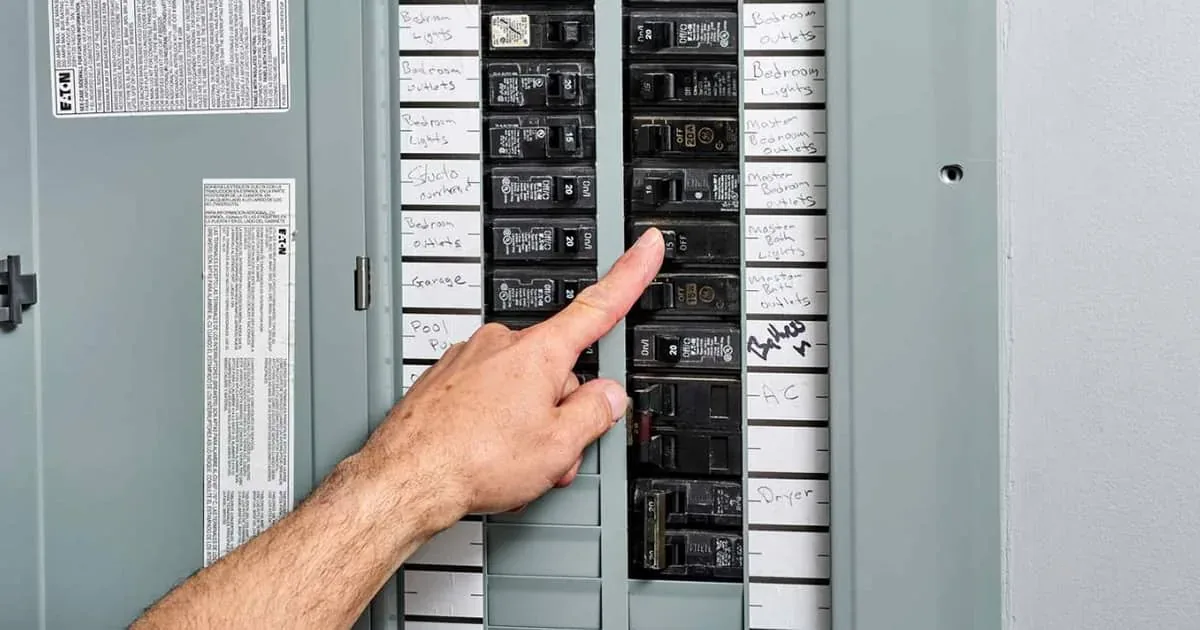
Without electricity, your furnace won’t kick on. Even a gas furnace needs power to run the control board and blower motor. The first thing you should check is your circuit breaker.
It is possible that a power surge or overload caused the breaker to trip, cutting the power supply to the unit.
Troubleshooting Tip: Check your Circuit Breaker
- Locate your home’s electrical panel.
- Look for the switches labeled “Furnace” or “HVAC.”
- If the switch is in the “OFF” or neutral middle position, it has tripped.
- Firmly flip it to “OFF” and then back to “ON” to reset it.
- Ensure the furnace switch (often a light switch located on the side of the unit) is also flipped UP to the “ON” position.
If you have a fuse box instead of breakers, check for a blown fuse and replace it if necessary. If the breaker trips again immediately, do not force it. That indicates a dangerous electrical short and it needs a professional.
Reason #2 Restricted Airflow (Dirty Air Filter)
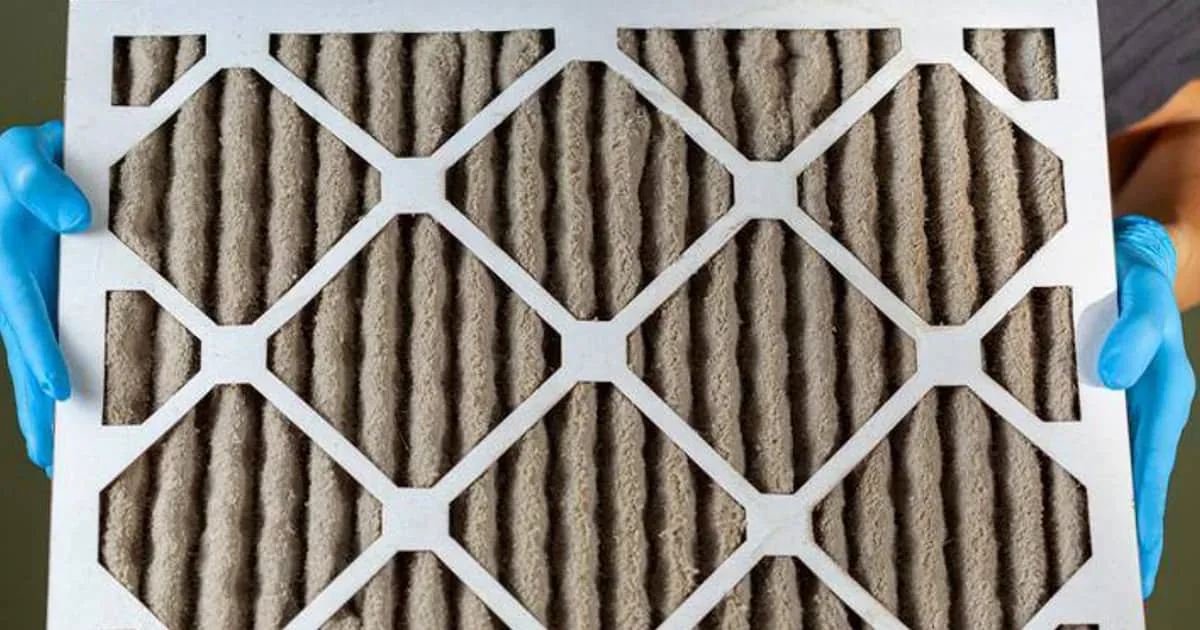
It can be frustrating to come home to a cold house. You may be wondering, “Why won’t my heater turn on?” A clogged or dirty air filter is one of the most common furnace problems that homeowners overlook.
When airflow is cut off, the heat exchanger can overheat. Modern furnaces have safety limit switches that detect this overheating and shut the system down to prevent fire or damage.
Troubleshooting Tip: Replace Air Filter
- Turn your system OFF at the thermostat.
- Locate the filter rack (usually between the return duct and the furnace).
- Remove the filter and hold it up to a light source.
- If light cannot pass through the fibers, the filter is clogged and needs to be replaced.
- Install a new filter, ensuring the arrow on the frame points towards the blower motor.
If you are unsure which size you need, check the owner’s manual. A clean filter helps your system operate efficiently and protects your heat exchanger.
ENERGY STAR's maintenance checklist says to inspect, clean, or change air filters once a month, and warns that a dirty filter can increase energy costs and damage your equipment, leading to early failure. On a Sacramento gas furnace that restriction usually shows up first as a tripped high-limit switch shutting the burner off.
Reason #3 Thermostat is Faulty
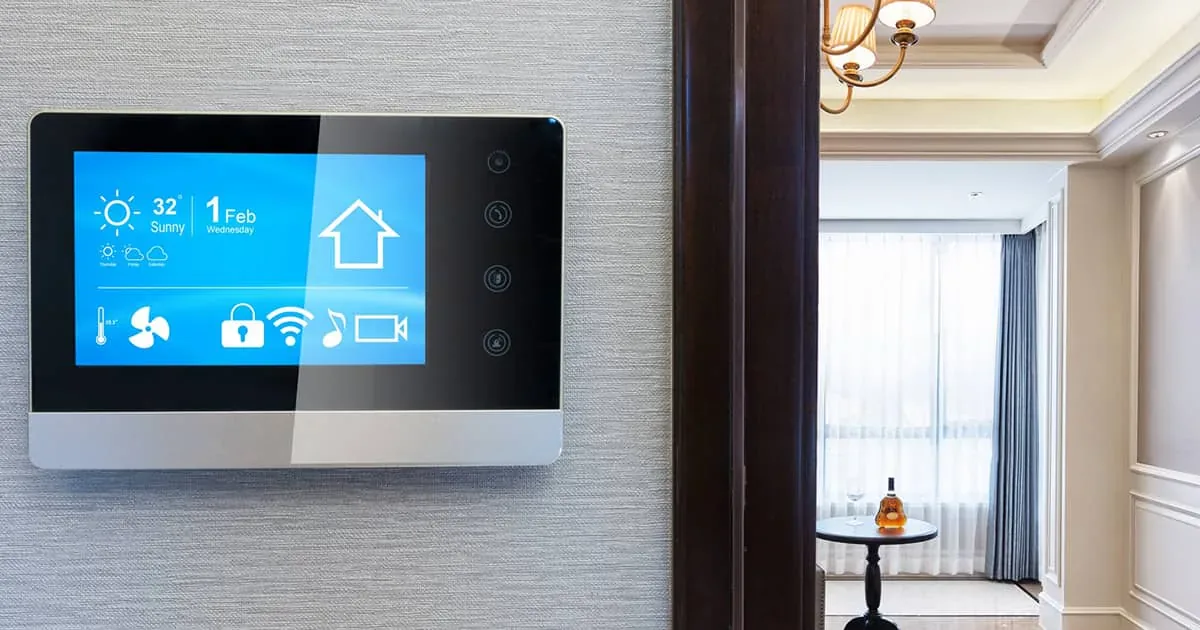
Sometimes when your furnace won’t start, the problem isn’t the furnace at all, it’s the brain controlling it. Your thermostat is the mainline of communication for your HVAC system. If the thermostat settings are incorrect, or if the unit has lost power, it cannot tell the furnace to fire.
Troubleshooting Tip: Reset/Double Check Thermostat
- Check Settings: Ensure the switch is set to “HEAT” and the fan is set to “AUTO” (not “ON”).
- Check Temperature: Make sure the set point is at least 5 degrees higher than the current temperature inside the room.
- Replace Batteries: If the display is blank or fading, replace the AA or AAA batteries. A faulty thermostat often just needs fresh power.
- Inspect Wires: Pull the thermostat cover off and check for loose wires. Tighten them with a small screwdriver if needed.
If your thermostat is programmable, check that it isn’t following an old schedule that keeps the heat off during the day.
The Thermostat Works but the Furnace Does Not Respond
A dark or frozen screen is a thermostat problem, and the walkthrough for it is in thermostat screen blank. This is the opposite case: the display is lit, the mode reads HEAT, the setpoint sits above room temperature, and the furnace stays silent. The thermostat has done its job. The call is dying somewhere between it and the furnace.
Raise the setpoint five degrees and give it up to five minutes first. Many thermostats hold a staging or short-cycle delay that long, and a furnace inside that delay looks exactly like a broken one. Then work the checks: the breaker, the filter, and the disconnect and blower door in the homeowner checks below. A thermostat that runs on its own batteries keeps its display lit, so an unseated blower door can cut power to the furnace's control board while the screen looks normal. That is why this one fools people.
If every check passes and the furnace still does not respond, the fault is usually the control board, the transformer, or the thermostat wiring between the two, and none of that is homeowner work. One Sacramento-specific cause: a furnace that sits idle from roughly April to October leaves the thermostat wire in the attic or crawlspace to rodents for a whole summer, and chewed wire presents exactly this way on the first cold-snap call.
Reason #4 Indoor Fan Motor (Blower) Issues
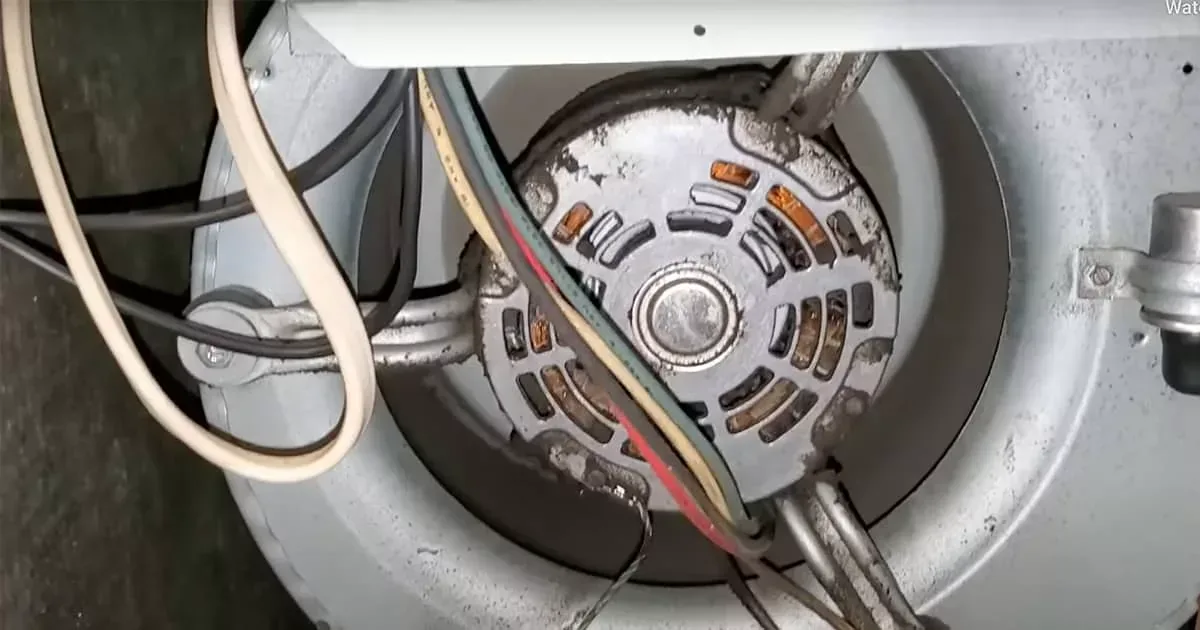
If your furnace won't turn on but you hear a hum, or if the burners light and then quickly shut off, a motor is the likely suspect. The blower motor's job is to pull air through the return vents, push it over the hot heat exchanger, and distribute it through your home.
Read the symptom before you open anything
You do not need to take the cabinet apart to narrow this down. The symptom tells you which motor and which fault:
- Hum, but nothing spins. The motor is getting power and not turning. That is a failed run capacitor or a seized bearing, and it is a parts job either way. On a furnace the motor that hums first is usually the draft inducer, because it runs before the blower does. Signs of a bad furnace inducer motor covers how to tell the two motors apart by when in the cycle each one runs.
- Runs, then stops after a few minutes. That is almost always the high-limit switch protecting an overheating heat exchanger, and the cause is upstream: a loaded filter or a closed-off return. Go back to Reason #2 before suspecting the motor.
- Grinding, screeching, or a rhythmic scrape. Bearings or a blower wheel out of balance. Shut it off; running it makes the repair bigger.
Opening the cabinet to clean or free a blower wheel is licensed work, not a homeowner check, and it is the one place on this list where doing it yourself can turn a capacitor into a motor replacement.
Reason #5 Burner Ignition Failure
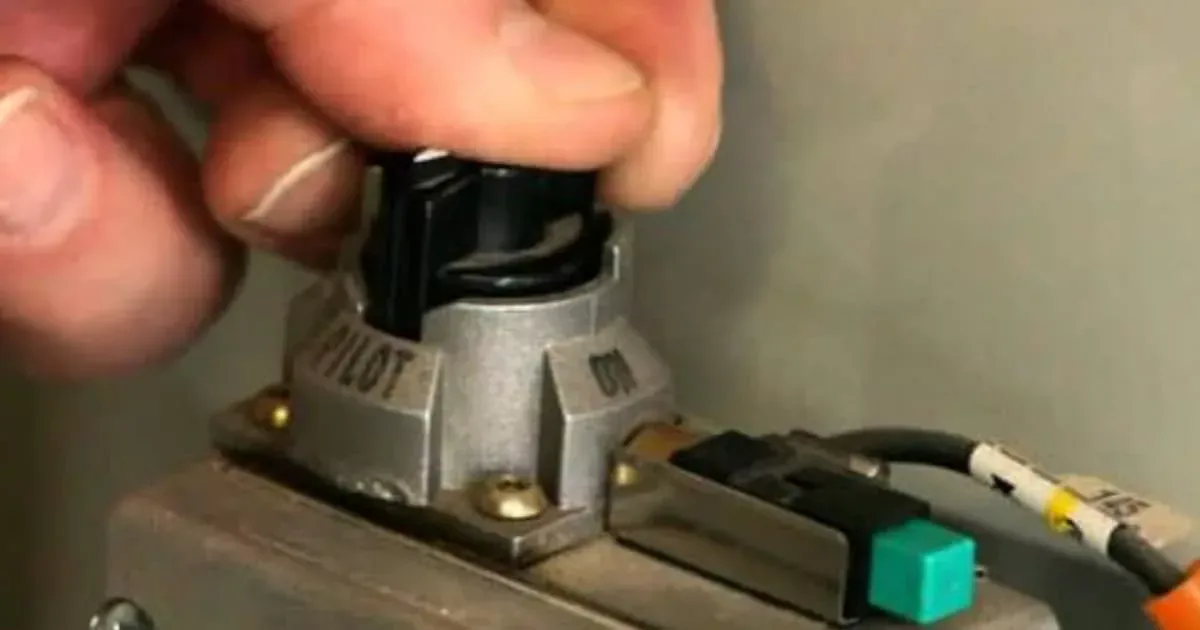
If your furnace won’t ignite but the fan is running, your ignition system may be to blame. In older furnaces, this is often a pilot light that has blown out. In modern furnaces, it is usually a dirty flame sensor or a cracked igniter. If the system does not detect a flame within a few seconds of opening the gas valve, it shuts down immediately to prevent a dangerous gas buildup.
Troubleshooting Tip: Find out which ignition system you have first
Before you go looking for a pilot light, check whether your furnace has one. Newer furnaces use electronic ignition and have no standing pilot at all, so on most of the Sacramento equipment we open there is nothing to relight. Pull the burner access panel and look for a small permanent flame, or check the furnace label for a relight procedure. If there is no pilot and no procedure, stop hunting for one: the suspect list is igniter, flame sensor, control board and gas valve instead.
- If you do have a standing pilot: look through the sight glass. If the flame is out, follow the relight procedure printed on the furnace label, and only that procedure. The full method, and when to stop, is in furnace pilot light won't stay lit.
- If you have electronic ignition: listen for a click, a glow, then a whoosh. Clicks or a glow with no flame usually means a cracked hot-surface igniter. Lights and then shuts down within a few seconds points at a dirty flame sensor.
- Three strikes and it stops trying. Trane describes the sequence plainly: the first one or two aborted ignition attempts are a soft lockout, and "if it happens a third time, you enter a hard lockout" (Trane, Furnace Hard Lock Out). A furnace sitting in hard lockout looks dead, which is why this reason is worth checking before you assume the worst.
- Cleaning the sensor: a dirty flame sensor is one of the few ignition parts on the homeowner side of the line, and only with the power off. The method is in the DIY section below.
The EPA’s carbon-monoxide guidance is direct about this: have fuel-burning appliances, gas furnaces included, inspected by a trained professional at the beginning of every heating season, keep flues and chimneys connected and unblocked, and choose appliances that vent their fumes to the outside. If you aren’t comfortable checking these components, call a pro.
Reason #6 Natural Gas Supply Issues
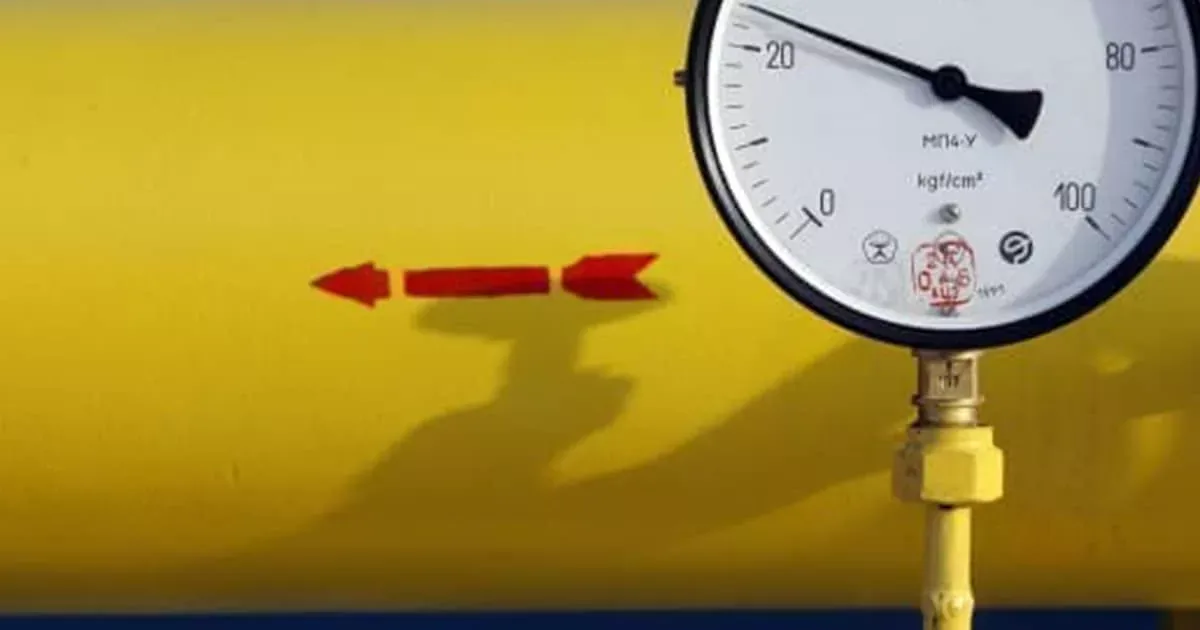
Whether you have a gas furnace or a propane unit, it cannot run without fuel. If the gas supply is interrupted, the furnace will lock out. If you have any other appliances that run on gas or propane, you can do the following steps listed below.
Troubleshooting Tip: Contact gas/propane company
- Go to your kitchen stove or gas dryer .
- Turn it on. If the stove burners light strong and blue, you have gas.
- If the stove won’t light, or the flame is weak and flickering, you may have a supply issue to your home. Contact your gas company immediately.
- Also, check the gas cock (valve) on the gas line running into the furnace. It should be parallel to the pipe (open), not perpendicular (closed).
Heat pump instead of a furnace? Learn about our heat pump repair in Sacramento.
Can You Fix a Furnace Yourself? Where the Line Is in Sacramento
Partly. The honest answer is not "never touch it" and it is not "here is how to rebuild a gas train." It is a line, and it sits in a specific place.
Stop first if you see any of these. A smell of gas, a burning or electrical smell, soot around the cabinet, a yellow or flickering flame, or a carbon-monoxide alarm. Shut the furnace off at the switch, leave the house if you smell gas, and call 911 and then PG&E at 1-800-743-5000 from a safe distance. These are not homeowner checks. They are the signs a furnace stays off until a technician has looked at it. What a failing heat exchanger looks like is in 5 cracked heat exchanger symptoms.
What you may check yourself:
- Thermostat. Set to HEAT, setpoint above room temperature, fresh batteries if it takes them. Several Trane and American Standard models do not.
- Power. The light-switch-style disconnect on or near the furnace, and the breaker. Reset a tripped breaker once. If it trips again, stop and call. A breaker that keeps tripping is reporting a fault, not asking to be reset.
- Blower door. If the panel is not seated, the door switch cuts power to the control board and nothing runs. The door switch is one of the furnace's door and limit safety switches, and that guide says which ones reset themselves.
- Filter. A loaded filter trips the high-limit switch and shuts the burner off on heat.
- Flame sensor. A corroded sensor shuts the burner down seconds after it lights. With the power off, it can be pulled and wiped clean with fine abrasive paper. If cleaning it does not hold, the problem is upstream and belongs to a technician.
Standing-pilot furnaces are the one ignition task on the homeowner side, and only when the manufacturer's label on the furnace gives the relight procedure. If there is no label, or the pilot will not stay lit after one attempt, stop. A pilot that keeps dropping out is usually a thermocouple or a gas-pressure problem. The procedure is in furnace pilot light won't stay lit.
Where the line is, and why it is there. Gas furnaces in Sacramento are permitted appliances, and gas-train and combustion work is licensed work. Alpha Mechanical holds California C-20 licence #967727. A miswired control board or a mis-set gas valve can damage the furnace or put combustion products into the house. Beyond safety, most furnace faults are found with a meter and a manometer rather than by swapping parts until one works, and that is what a diagnostic visit buys.
What the Sound Tells You Before Anything Else Does
The noise a furnace makes when it fails to start is the fastest free diagnostic available, because it tells you how far into the sequence the furnace got before it stopped.
Clicking, then nothing. Repeated clicking with no flame means the furnace is trying to ignite and failing. The igniter may be cracked, or the flame sensor is too dirty to confirm flame, so the board shuts the gas valve after a few seconds and retries. Per Trane, the first one or two aborted attempts are a soft lockout and the third puts the furnace into a hard lockout (Trane, Furnace Hard Lock Out), so a furnace that has given up looks completely dead. This is the most fixable of the failure sounds. Replacing an electric flame igniter starts at $280 on our published repair rates.
Humming, but nothing turns. A hum means a motor is getting power and not moving. That is usually a failed run capacitor or a seized bearing, and on a furnace the motor that hums first is almost always the draft inducer, because it is the first motor in the sequence. What that sound means, and how to tell an inducer from a blower by when in the cycle it runs, is covered in 5 signs of a bad furnace inducer motor.
Silence, with a lit thermostat. Nothing is getting the call. Check the blower door, the disconnect and the breaker in that order.
Booming or a delayed whoomp on ignition is not a starting problem, it is a combustion problem, and it stops being a homeowner question at that point. Shut the furnace off and book a diagnosis. If the furnace does start but makes a new sound while it runs, such as rattling, whistling or pinging from the ducts, our sound-by-sound guide to HVAC noises sorts each one by cause and says which ones mean shut it off.
What Is the Most Common Problem With Furnaces?
On Sacramento no-heat calls, most failures fall into two families. Either an ignition component failed, meaning a cracked hot-surface igniter or a flame sensor too dirty to prove flame, or a control failed, meaning the thermostat, the breaker or disconnect, or the blower-door safety switch. The tell is how far the furnace gets: the ignition side tries to start, clicks or glows, then quits, while the control side usually means nothing happens at all.
The parts a diagnosis usually lands on, with Alpha Mechanical's published flat-rate starting prices:
| What failed | Starts at |
|---|---|
| Electric flame igniter | $280 |
| Gas valve or inducer motor | $480 |
| Circuit board | $490 |
| Indoor fan motor | $490 |
A filter is not on that list because a filter is not a repair. A loaded filter trips the high-limit switch and the furnace shuts itself off on heat. The fix costs a filter, which is why Reason #2 comes before any of these.
Turning the Furnace On for the First Time This Season
The first start after summer is its own test, and the best time to run it is before you need the heat. Pick a mild afternoon in early fall, set the thermostat to HEAT, raise the setpoint 5 degrees above the room, and let the furnace run one full cycle. Within a few minutes you should hear the inducer, then ignition, then the blower. Our heating system test walkthrough covers the whole check in about 15 minutes.
A dusty or burning smell for the first few minutes is normal: it is dust burning off the heat exchanger after months idle, and it fades. A burning smell that does not fade, or any smell of gas, is not normal, and the stop signs in the homeowner checks apply. Anything else the test run turns up, a shutdown and retry, cold air, a new noise, is an early warning caught while parts and appointments are still easy to get.
Pair the test run with a pre-season furnace tune-up. The National Fire Protection Association names heating equipment one of the leading causes of home fire deaths, puts nearly half of home heating equipment fires in December through February, and says heating systems should be inspected and cleaned each year before they are fired up for the season (NFPA, Heating Safety).
Signs That You Need Professional Furnace Repair
If you have gone through these 6 steps and your furnace is not working, you may have a more serious issue like a bad control board, a failing pressure switch, a gas valve that is not opening, or a cracked heat exchanger.
Watch for these warning signs:
- Smell Gas: If you smell a “rotten egg” odor, evacuate immediately, call 911, and then call PG&E (the Sacramento region's natural gas utility) at 1-800-743-5000 from a safe distance.
- Noises: Loud banging, screeching, or rattling sounds.
- Short Cycling: The furnace turns on and off every few minutes.
- Error Codes: The light on the control board is flashing a specific pattern.
Put Comfort First: Contact the Pros
Now that you have completed these troubleshooting steps, if your furnace still won’t start, it is time to put it in the hands of a professional HVAC technician.
Our technicians work to ensure your repair is done right the first time, maintaining your manufacturer’s warranty.
At Alpha Mechanical, we have been serving the Sacramento area since 2011. Whether you need a simple heating repair or a full system diagnosis, our team is here to help you get warm again.
- Need a Pro? Contact Alpha Mechanical today for fast service.
- Renting? When the heater quits in a rental covers how long a landlord has to restore heat and who pays.
- Service Area: See the neighborhoods we cover on our Sacramento HVAC service page.
- Save Money: Don’t forget to check our current specials and ask about SMUD rebates for heat pumps.
If you are considering an upgrade, SMUD currently offers rebates for qualifying heat pump heating and cooling systems in the Sacramento area.
Frequently Asked Questions
Why isn't my furnace turning on at all?
It is usually a power issue (tripped breaker), a thermostat setting issue, or a safety switch (like the door switch) preventing operation.
Is it advisable to attempt DIY repairs for heating problems?
Simple tasks like changing a filter, resetting a breaker, or cleaning a flame sensor are safe for homeowners. However, repairs involving gas lines, electrical wiring, or the heat exchanger should always be done by a licensed HVAC professional.
What should I do if I smell gas?
If you smell gas, do not touch any light switches or phones. Leave the house immediately and call your gas company or emergency services from a safe distance.
How often should I change my furnace filters?
ENERGY STAR says to inspect, clean, or change air filters once a month. How often one actually needs replacing depends on the filter, the house and the season; on the Sacramento homes we service a standard one-inch filter is usually spent within a few months.
What is the most common problem with furnaces?
Two families account for most Sacramento no-heat calls: an ignition component (a cracked hot-surface igniter, or a flame sensor too dirty to prove flame) or a control (the thermostat, a tripped breaker or furnace disconnect, or the blower-door safety switch). A furnace that tries to start, clicks or glows and then quits points at ignition and needs a diagnosis. One that does nothing at all points at the controls, which the first three reasons on this page cover. A loaded filter tripping the high-limit switch also shuts a furnace down, and the fix costs only a filter.
How do I reset a furnace that's stopped working?
Turn the furnace's power switch off, wait 30 seconds, and turn it back on; that clears most control-board lockouts. If it locks out again, count the LED blinks on the control board (visible through the blower-door window) and note them for your technician. Don't reset repeatedly: a furnace that keeps locking out is protecting itself from a real fault.
More learning resources: browse the Alpha Mechanical HVAC blog.