

The clearest signs of leaky ducts are rooms that run hotter than the rest of the house, an AC that runs all day without reaching setpoint, heavy dust on supply registers, and summer SMUD bills that climb. Most Sacramento homes need sealing, not replacement: professional mastic sealing typically runs $300 to $700, and Aeroseal, at $1,200 to $2,000, reaches duct sections a technician cannot get to by hand.
If your back bedroom runs 8–10°F hotter than the rest of the house every summer, or your AC seems to run all day without ever getting comfortable, leaky ductwork is the most likely culprit. ENERGY STAR estimates that in a typical house, about 20 to 30 percent of the air that moves through the duct system is lost to leaks, holes, and poorly connected ducts (ENERGY STAR, Duct Sealing). That's like paying for 10 gallons of gas and dumping 2–3 gallons on the driveway before you leave.
- What Are Leaky Ducts?
- 7 Signs Your Sacramento Home Has Leaky Ductwork
- How Much Energy Are You Really Losing?
- Duct Sealing vs. Duct Replacement: Which Do You Need?
- What California's 2025 Title 24 Code Says About Ducts
- How Much Does Duct Sealing Cost in Sacramento?
- DIY vs. Professional Duct Sealing
- SMUD Programs and What to Know
- Frequently Asked Questions
July in Sacramento means serious heat. Days hit 100°F, your AC runs longer, and every cubic foot of 75°F air that leaks into your attic instead of cooling your bedroom shows up directly on your SMUD bill. The good news: duct sealing is one of the highest-return HVAC upgrades Sacramento homeowners can make, and California's 2025 Energy Code, in force since January 2026. Now requires every new or replaced duct system to prove it leaks 5% or less.
Key Takeaways
- ENERGY STAR reports that about 20–30% of the air moving through a typical home's duct system is lost to leaks, holes, and poor connections (ENERGY STAR).
- Typical duct systems lose 25–40% of the heating or cooling energy the central furnace or AC puts out, per the U.S. DOE's Building America program, attic-run ducts, the Sacramento standard, sit at the bad end of that range (DOE Building America).
- California's 2025 Title 24 Energy Code, effective January 1, 2026, caps new and replaced duct systems at 5% leakage of air-handler airflow, verified by a blower test (California Energy Commission).
- Professional mastic duct sealing in Sacramento typically runs $300–$700 and pays back in 2–4 cooling seasons.
- SMUD charges $0.3765/kWh at summer weekday peak (5–8 p.m.) (SMUD rate details). Leaky ducts that force your AC to run longer at peak hours hit your wallet the hardest.
What Are Leaky Ducts?
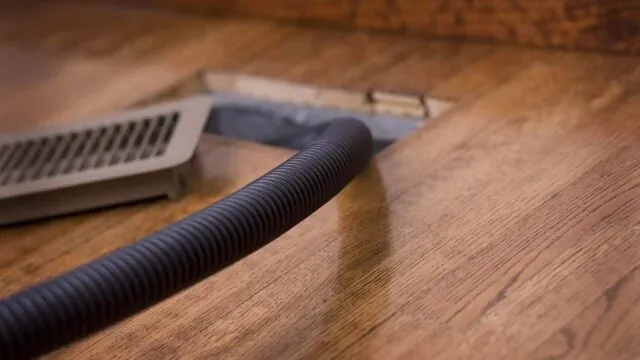
Your home's duct system is a network of metal or flexible tubing that carries conditioned air from the air handler to every room. In most Sacramento homes built before 2000, these ducts run through attics or crawl spaces. Spaces that can reach 140–160°F in July. When ducts develop holes, come apart at joints, or were never properly sealed, the air you paid to cool pours into those unconditioned spaces instead of reaching your living areas.
Ducts also pull air in from those hot attics when they leak on the return side, forcing your system to re-cool hot, dusty outside air. The problem runs both directions.
7 Signs Your Sacramento Home Has Leaky Ductwork
Not sure if your ducts are leaking? These are the most reliable signals:
- Uneven temperatures room to room. The bedroom over the garage runs 10°F warmer than the living room. One side of the house cools easily; the other never quite gets comfortable.
- Unusually high summer SMUD bills. Your AC runs constantly but the house never quite reaches setpoint. Under SMUD's Time-of-Day rate, summer weekday peak hours cost $0.3765/kWh. Extra runtime during that window adds up quickly.
- Excessive dust on supply registers. Dark staining or heavy dust buildup around vents is a sign that air is pulling in from unconditioned spaces through gaps in return ductwork.
- AC runs all day even on mild days. If your system struggles to maintain 78°F on an 85°F afternoon, it likely isn't delivering enough conditioned air to your living space.
- Stuffy or stale air. Return-side duct leaks can pull in attic heat, garage exhaust, or crawl-space odors that re-enter the living area.
- High bills in winter too. Leaky ducts hurt heating as much as cooling. If both seasonal bills seem elevated relative to your home's square footage, ducts are a reasonable starting suspect.
- The home is over 20 years old and has never had a duct test. Most Sacramento homes built before 2005 have never had formal duct leakage testing, and untested older systems routinely fail today's 5% code standard by a wide margin.
How Much Energy Are You Really Losing?
The numbers are more dramatic than most homeowners expect. ENERGY STAR puts the loss at about 20 to 30 percent of the air that moves through a typical duct system (ENERGY STAR). The U.S. DOE's Building America program measures the same problem in energy terms: typical duct systems lose 25 to 40 percent of the heating or cooling energy put out by the central furnace or air conditioner (DOE Building America). When your ducts run through an attic that hits 140°F in July, the standard Sacramento configuration, that gap between what your system produces and what reaches your rooms widens dramatically.
Put a dollar figure on it: if your SMUD bill hits $350 in August and cooling drives most of it, a duct system at the bad end of that 25–40% range can be leaking $70–$100 of that bill into your attic.
In Fair Oaks homes from the 1980s and 1990s, we regularly find flex duct that has sagged or kinked, joints wrapped in deteriorated fiberglass tape that let go years ago, and return plenums with gaps you can see daylight through. A blower test confirms the numbers, but you usually know before you run it. The 1970s ranch houses of La Riviera show the older version of the same problem: a supply joint that has separated in the attic, so the furnace heats the attic before it heats the bedroom.
Duct Sealing vs. Duct Replacement: Which Do You Need?
Most Sacramento homeowners need sealing, not replacement.
Duct sealing uses mastic, a thick, sticky compound, or Aeroseal (a pressure-blown polymer that plugs leaks from inside) to close gaps and joints throughout the duct system. It's appropriate when the duct material itself is in reasonable shape and the problem is poorly sealed connections. This describes most homes under 30 years old.
Duct replacement makes sense when flex duct has collapsed in multiple sections, when the system has been rodent-damaged, when insulation has deteriorated beyond saving, or when a full HVAC replacement calls for a redesigned layout. It's a larger job and a larger cost.
How to tell which you need: a professional ductwork inspection settles it. Formal duct leakage testing, a duct blaster test, puts a precise number on how much air is escaping and is required under California's 2025 Title 24 code whenever a duct system is replaced. For most 1980s–2000s Sacramento homes where the duct structure is intact but poorly sealed, professional mastic or Aeroseal treatment solves the problem at a fraction of full replacement cost.
What California's 2025 Title 24 Code Says About Ducts
California's 2025 Building Energy Efficiency Standards, effective January 1, 2026, cap duct leakage at 5% of air-handler airflow for new or replaced duct systems in single-family homes, verified using the procedures in the code's Reference Residential Appendix (California Energy Commission). That's a demanding standard: most untouched Sacramento homes test at 15–25% leakage. The code requires a third-party duct blaster test to verify compliance.
What this means practically: if you're replacing your HVAC system or adding a new return, the contractor is required to seal to 5% and prove it. The duct work isn't always included in a base equipment quote. Ask your contractor explicitly whether duct testing and sealing is bundled or a separate line item.
If your existing system is staying in place and you're not triggering a permit, the 5% rule doesn't apply retroactively. But the fact that every new Sacramento installation must hit 5% tells you how far most older homes fall from what's now considered acceptable performance.
How Much Does Duct Sealing Cost in Sacramento?
Costs vary by method, home size, and duct accessibility:
| Method | What it does | Typical Sacramento cost |
|---|---|---|
| Mastic sealing (manual) | Tech applies compound to accessible joints and seams | $300–$700 |
| Aeroseal (pressurized) | Polymer particles bond to leak edges from inside the duct | $1,200–$2,000 |
| Full duct replacement | Remove and replace all duct runs | $2,500–$6,000+ |
For a typical 1,800–2,400 sq ft Fair Oaks home with attic-run ducts, manual mastic sealing on accessible joints runs $350–$600. Aeroseal is worth the higher cost when ducts are in hard-to-reach locations, when you need a verified post-test result to meet a Title 24 permit requirement, or when manual access to the leak points is limited. Our ductwork services page covers both approaches, plus full replacement when the duct runs themselves are past saving.
The payback is straightforward. Sealing a home that was losing 25% of its conditioned air down to under 8% typically reduces effective HVAC energy consumption by 10–20%. On a $350 August SMUD bill, that's $35–$70 per month, or $140–$280 across the four-month peak cooling season. Most Sacramento homeowners recover a mastic sealing job in 2–4 summers.
DIY vs. Professional Duct Sealing
You can DIY some duct sealing, with the right tool. The correct product for accessible joints is mastic sealant applied with a paintbrush, not consumer duct tape, which delaminates within a few years. Apply it to clean, dry joints and seams you can physically reach.
What you cannot DIY: Aeroseal application, duct blaster testing, or sealing work needed to pass a Title 24 permit requirement. You also cannot easily access much of the duct system from inside the average attic hatch. What looks reachable from the ceiling turns into a multi-hour crawl in 120°F attic heat in July. A licensed HVAC contractor with the right equipment and a hatch-to-hatch inspection plan covers the problem completely.
An AC tune-up in Sacramento includes a duct inspection and will tell you whether the system warrants a formal leakage test. If you're already spending money on cooling efficiency, start with knowing where the air is going.
SMUD Programs and What to Know
SMUD doesn't currently offer a standalone rebate for duct sealing. However, duct sealing paired with a qualifying equipment replacement can affect which efficiency tier the overall project qualifies for under SMUD's heating and cooling rebate structure. If a Title 24-required duct test and seal is part of a heat pump installation, the job may enable the system to meet a higher rebate tier.
The bigger connection is SMUD's Time-of-Day rate. At $0.3765/kWh during the 5–8 p.m. summer peak (SMUD rate details), a sealed duct system that reaches setpoint faster and runs fewer peak-hour cycles directly reduces your bill. Pair sealed ducts with a qualifying heat pump installation and SMUD's current heat pump rebates, and you're addressing the problem on both the supply and delivery sides.
Check current SMUD rebate details at smud.org/rebates, programs update with each code cycle and the duct work eligibility changes accordingly. Our indoor air quality page also covers how duct condition affects what you breathe, not just what you pay.
Frequently Asked Questions
How do I know if my Sacramento home has leaky ducts?
The clearest signs are uneven temperatures between rooms, an AC that runs all day without reaching setpoint, heavy dust on supply registers, and higher-than-expected SMUD bills in summer. A formal duct blaster test by a licensed contractor puts a precise number on leakage and is required for Title 24 compliance whenever a duct system is replaced.
Does duct sealing really save money?
Yes, consistently. ENERGY STAR reports that about 20–30% of the air moving through a typical home's duct system is lost to leaks, holes, and poor connections. Reducing that leakage by even half meaningfully cuts cooling energy consumption. On a $350 August SMUD bill, sealing ducts from 25% leakage down to 8% typically saves $35–$70 per month during the cooling season.
What's the difference between mastic sealing and Aeroseal?
Mastic is a hand-applied compound that seals joints and seams a technician can physically reach. Aeroseal pressurizes the duct system and blows polymer particles through the air, they bond to the edges of leaks from the inside. Aeroseal works on inaccessible sections and produces a printed pre- and post-test report. It costs more but seals more completely.
Will my HVAC installer seal my ducts when they replace the system?
Under California's 2025 Title 24 code, any replaced duct system must pass a 5% leakage test, so the contractor is required to seal to that standard. But ask explicitly whether duct testing and sealing is included in the quote or is a separate line item, since it varies by contractor.
How long does duct sealing last?
Properly applied mastic sealing is designed to last 20-plus years. Aeroseal warrants its treatment for 10 years. The most common failure point is physical disturbance, HVAC work or attic activity that dislodges a sealed joint, not the sealant itself aging out.