

A burning-dust smell on the first heating run of the season can be settled dust burning off, which is normal as long as it fades quickly and no other warning sign appears. A burning plastic, rubber or hot electrical smell is different: shut the furnace off at its service switch if it is safe to reach, leave it off, and call for an inspection.
- Which Furnace Smells Mean Shut It Off Right Now
- Burning Dust: The First-Heat Smell That Can Be Normal
- Burning Plastic or Hot Electrical: Shut It Off and Call
- A Sharp Chemical or Hot Metal Smell While the Heat Runs
- Rotten Eggs or Sulfur: Leave First, Diagnose Later
- Why the First Cold Night in Sacramento Produces These Calls
- What Alpha Mechanical Checks on a Burning-Smell Call
- Frequently Asked Questions
Key Takeaways
- Brief burning dust on the first heat can be normal. Trane explains that built-up dust burns off when the furnace heats up. The smell should fade quickly.
- Burning plastic means shut the furnace off and call for repair. Trane identifies electrical wire casing as a possible source. Alpha Mechanical applies the same stop-and-inspect rule to hot electrical or metallic odors.
- Gas or rotten eggs means leave first. Follow PG&E gas safety instructions. For gas odor, leave with everyone and pets, move a safe distance away, then call 911 and PG&E.
- A CO alarm means get outside and call 911. NFPA's carbon monoxide guidance says to get fresh air right away when an alarm sounds. Account for everyone and call for help from that location.
- The smell starts the diagnosis; it does not finish it. Alpha Mechanical checks airflow, electrical parts, burners, the heat exchanger, and combustion before it suggests a repair.
A furnace that smells like burning dust on its first run of the season may be burning off settled dust. Burning plastic, electrical, or hot-metal odors mean shut it off and call for a check. For gas odor, leave with everyone and pets, move a safe distance away, then call 911 and PG&E. A CO alarm means get everyone outside and call 911. Smell alone cannot tell you what is wrong with a furnace.
Which Furnace Smells Mean Shut It Off Right Now
Plastic, electrical, or hot-metal smells mean shut off and call for inspection. For gas odor, leave with everyone and pets, move a safe distance away, then call 911 and PG&E. For CO alarms, get everyone outside and call 911. Alpha Mechanical allows waiting only for brief, fading first-heat dust with no other warning signs.
Use this table before trying to identify a part:
| Smell | What it can mean | Do this first |
|---|---|---|
| Gas or rotten eggs | Possible gas leak, the utility's added odorant | Leave with everyone and pets, touch no switches, move a safe distance away, then call 911 and PG&E |
| Burning plastic, electrical or hot metal | Overheating wiring, motor or a part against a hot surface | Shut the furnace off at its service switch if it is safe to reach, leave it off, book an inspection |
| CO alarm sounding | Possible carbon monoxide, which has no smell | Get everyone outside, then call 911 |
| Burning dust on the first heat | Dust burning off the furnace and ductwork | Let it run only while the odor fades and no other warning sign appears |
Gas odor or an alarm takes priority over reaching any switch.
The CPSC directs people who suspect CO poisoning to get outside to fresh air immediately, and then call 911.
NFPA's CO safety guidance calls for fresh air immediately when an alarm sounds, accounting for everyone, and calling for help from that location. Stay outside until emergency personnel arrive. A furnace service appointment does not replace that emergency response.
Burning Dust: The First-Heat Smell That Can Be Normal
A brief burning-dust smell at the start of heating season can come from dust burning off as the furnace heats up. Alpha Mechanical treats that as a possible cause only if the smell fades as the furnace runs. When it starts matters as much as what it smells like.
Trane's furnace odor guide explains that dust accumulates on the furnace and in ductwork, then burns off as the furnace heats. Its advice for dust is: "Wait it out. The smell should dissipate relatively quickly." That describes a temporary startup odor, not permission to keep running a furnace with any kind of burning smell.
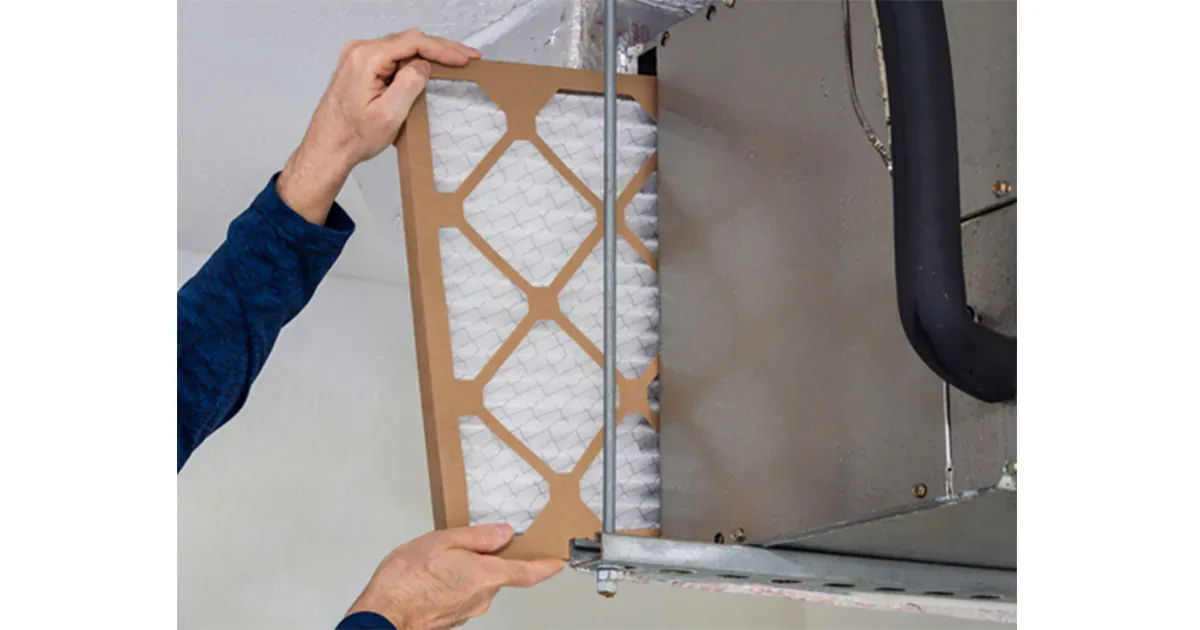
Note when the odor starts and whether it fades as the furnace runs. A fading dust smell differs from one that turns into melting plastic or hot wire insulation. If the smell changes, follow the shutdown steps above. Do not wait longer to see if it fades.
Stop using the furnace if a burning smell does not fade or comes back strongly on later cycles. Have it checked. Alpha Mechanical says to leave the furnace off until the source is found.
To prepare for the season, how to check your heating system separates routine checks from faults. Furnace cleaning and maintenance covers the service visit. Routine care or a filter change does not make it safe to keep running a furnace with an electrical odor.
Burning Plastic or Hot Electrical: Shut It Off and Call
A furnace that smells like burning plastic needs to stay off until the source is found. Alpha Mechanical checks the electrical parts and nearby objects before it restarts the furnace. Do not wait for this smell to fade. Trane names melting wire casing as a possible cause and says to shut down and call for repair.
Trane's burning-plastic guidance points to the casing on electrical wires. That is a possible source. It does not prove what is wrong with your furnace. The smell alone cannot tell a technician which part is at fault or whether a nearby object caused it.
With no gas odor or alarm, use the furnace service switch if it is safe to reach and leave the furnace off. Call for heating repair and describe what you smelled. You do not need to restart the furnace to bring back the smell for the visit. Do not remove panels to trace it by smell.
The check includes wire insulation, the blower motor, the control board, and any object against a hot surface. Alpha Mechanical looks for signs of damage before it links the odor to a failed part. Those findings guide the repair. The words plastic, rubber, or electrical on the phone cannot tell us which part failed. A new sound alongside the smell narrows it further, and our guide to what each HVAC noise means sorts buzzing, rattling and a bang at ignition by likely cause.
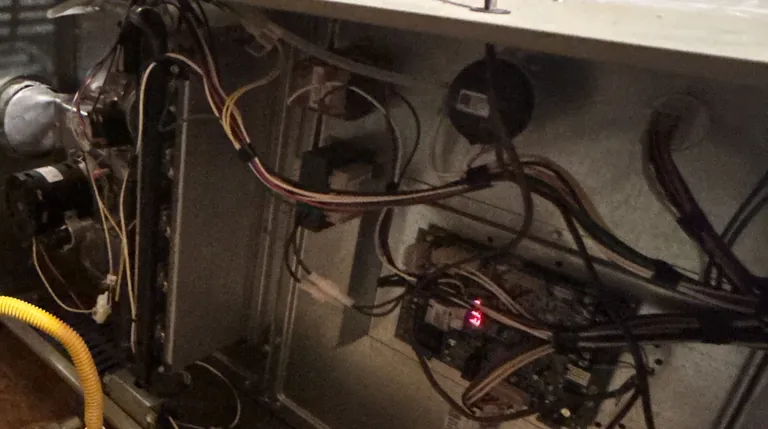
NFPA's Home Heating Fires report covers 2016 to 2020. It estimates an annual average of 44,210 US home structure fires caused by heating equipment. That national total covers heating equipment as a whole. It does not measure the risk for a single furnace.
A Sharp Chemical or Hot Metal Smell While the Heat Runs
A sharp chemical or hot-metal odor means stop using the furnace and have it checked. Alpha Mechanical checks the furnace before it suggests work. CPSC states that carbon monoxide is odorless. Smell cannot test for CO; a CO alarm gives that warning. See cracked heat exchanger symptoms for the signs and flame test.
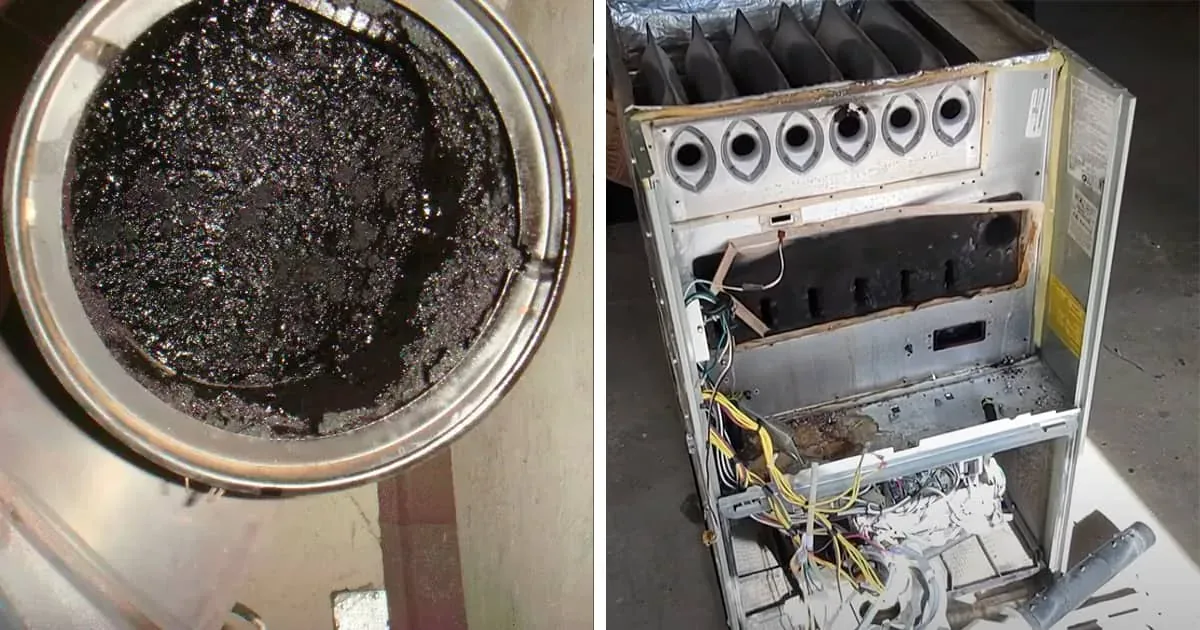
The CPSC lists these CO poisoning symptoms: headache, dizziness, weakness, nausea, vomiting, sleepiness, and confusion. If you suspect poisoning, get outside to fresh air immediately, then call 911. Leave right away for an active alarm too, even if nobody has symptoms.
For routine protection, NFPA recommends CO alarms outside each sleeping area and on every level, interconnected, with monthly testing. These steps help give early warning. They do not explain the source of a furnace odor.
Rotten Eggs or Sulfur: Leave First, Diagnose Later
Rotten eggs or sulfur can be the utility's added gas odorant. Follow PG&E's gas emergency instructions: leave the building with everyone and pets without switching anything on or off on the way out, move a safe distance away, and only then call 911 and PG&E at 1-800-743-5000. Alpha Mechanical's repair visit comes after the emergency response.
For a different odor category, the year-round HVAC odor guide covers musty, sour and dirty-sock smells that are not a burning smell.
Why the First Cold Night in Sacramento Produces These Calls
For a Sacramento furnace idle since spring, a first-heat smell can come from built-up dust on the furnace and in the ductwork. That dust burns off as the furnace heats up, as Trane explains. Alpha Mechanical still treats an electrical smell as a reason to shut down, whatever the date.
The first cold night helps explain when the smell starts. It does not prove that dust is the source. A furnace can need a check on its first run or later in winter. Describe the odor and whether the furnace has heated your home as usual this season.
NFPA reports that 46 percent of home heating equipment fires occur from December through February. The report uses the 2016 to 2020 period. That national figure covers heating equipment by season. It does not give a Sacramento furnace failure rate or predict when a specific system will fail.
Alpha Mechanical handles same-day weekday no-heat calls across the Sacramento metro, with next-business-day service in peak weeks. The residential service area includes Fair Oaks, Sacramento, Carmichael, Citrus Heights, Rancho Cordova, Folsom, Orangevale, and furnace service in Roseville. When booking, mention a burning odor before describing the loss of heat.
A pre-season check follows CPSC's recommendation for annual professional inspection of fuel-burning heating products and their chimneys, flues, and vents. Book furnace cleaning and maintenance before you need steady heat when possible. Call for a diagnostic if you smell burning plastic or hot metal now, even if you have booked maintenance.
What Alpha Mechanical Checks on a Burning-Smell Call
Alpha Mechanical credits its flat $89 diagnostic to the repair. A burning-smell visit checks airflow, electrical parts, burners, the heat exchanger, and combustion. We find the source and explain what we found before we suggest work. A smell alone does not prove that a part needs to be replaced.
In a rental the person who smells it and the person who authorises the visit are usually two different people. Heater not working in an apartment or rental covers who to call and who is billed.
The visit covers:
- Filter and return airflow: check the filter and return path as part of the visit.
- Blower motor and capacitor: check the motor and the electrical support parts used in your furnace.
- Wiring and control board: check insulation, connections, and the board for signs that could explain an electrical smell.
- Burner and flame appearance: check how the burner runs. Note soot or signs that need a closer look.
- Heat exchanger inspection: check the exchanger when symptoms or other findings raise a concern about its condition.
- A combustion reading: take a reading to help check how the furnace runs. Smell alone gives no combustion result.
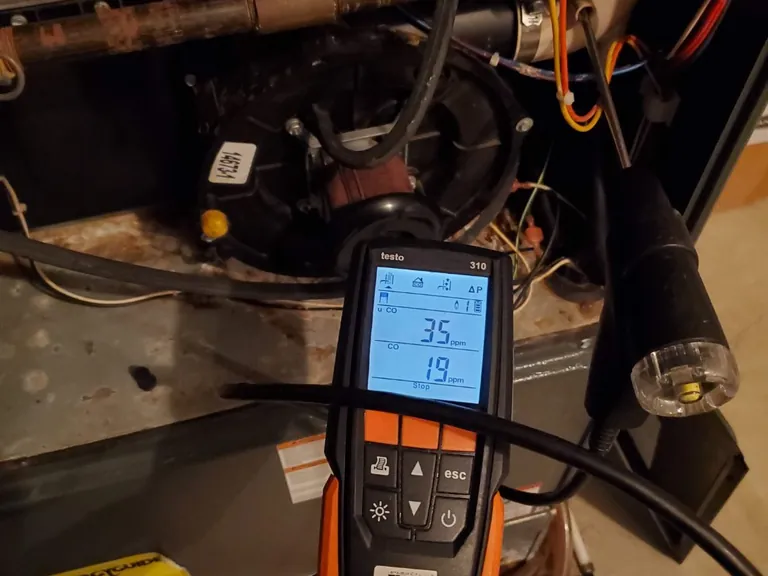
On the call, say whether this is the first heat since spring. Tell us if the odor fades or repeats and if the furnace still makes heat. Report any alarm or symptoms from a safe place after you contact emergency help. You do not need to bring the smell back before the technician arrives.
Book heating repair to find the cause. If the furnace also fails to start, reasons a furnace will not turn on covers that separate symptom. If you shut the furnace down for a burning smell, do not keep trying to start it.
Frequently Asked Questions
Brief, fading first-heat dust can be normal. Burning plastic means shut off and call for repair. For gas odor, leave with everyone and pets, move a safe distance away, then call 911 and PG&E. For CO alarms, get everyone outside and call 911. Alpha Mechanical checks warning signs even with a familiar smell or a new furnace.
Is a burning smell from my furnace dangerous?
It depends on the smell and timing. Brief, fading dust on the first heat can be normal. Burning plastic, electrical, or hot-metal odors mean shut the furnace off if safe and call for a check. For gas odor, leave with everyone and pets, move a safe distance away, then call 911 and PG&E. For a CO alarm, get everyone outside and call 911.
How long should the burning dust smell last?
Trane says the dust smell should dissipate relatively quickly. A first-heat dust smell should fade as the furnace runs. Stop using the furnace if a burning smell does not fade or comes back strongly on later cycles. Have it checked.
Why does my new furnace smell?
Trane attributes a new furnace smell to special coatings and lubricants. It says those odors should fade in about an hour. That does not explain every odor from a new furnace. Burning plastic still means shut down and call for a check. For gas odor, leave with everyone and pets, move a safe distance away, then call 911 and PG&E.
Can a cracked heat exchanger cause a burning smell?
Smell alone cannot confirm a cracked heat exchanger. Leave the furnace off for a check. See cracked heat exchanger symptoms for the signs and flame test.
Should I call 911 for a furnace burning smell?
Get everyone outside and call 911 for a CO alarm or suspected CO poisoning. For gas or rotten eggs, leave the building with everyone and pets without switching anything on or off on the way out, move a safe distance away, and only then call 911 and PG&E. A brief, fading first-heat dust smell alone does not need a 911 call. Burning plastic means shut down safely and call for repair.