
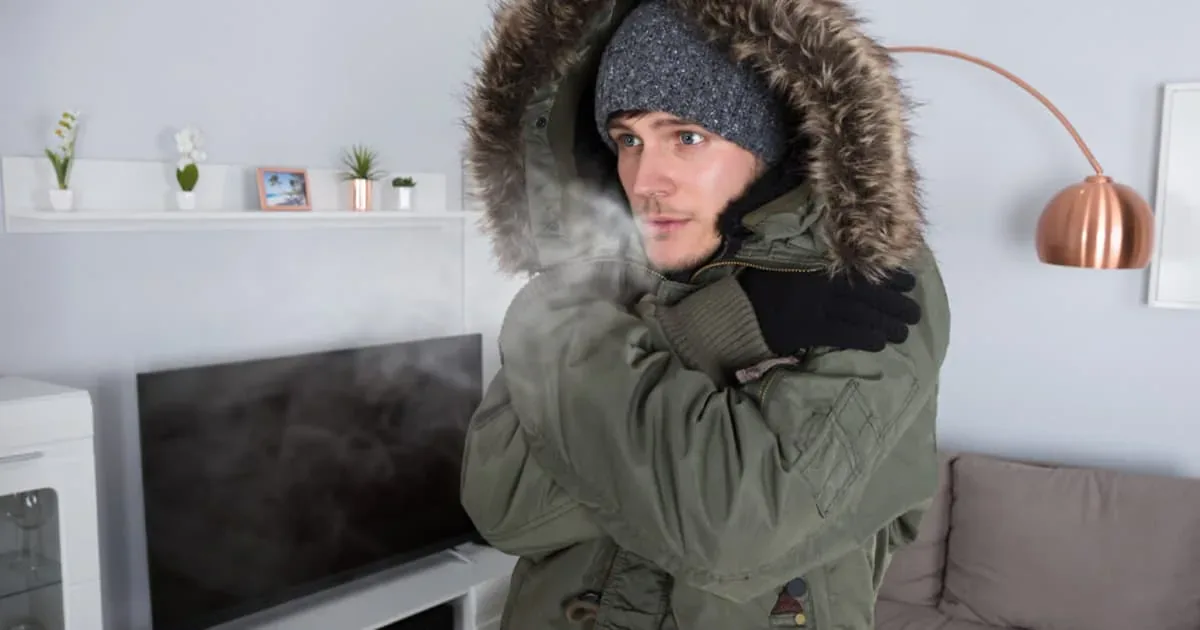
- 7 Common Reasons Furnace is Blowing Cold Air
- 1. Your Furnace Isn’t Warmed Up Yet
- 2. Thermostat Settings
- 3. Overheating Furnace
- 4. Clogged Condensate Line
- 5. Pilot Light and Gas Supply Issues
- 6. Air Duct Leakage
- 7. Electrical and Sensor Failures
- Preventative Measures and Maintenance Tips
- Final Thoughts
- Frequently Asked Questions
Don’t you just hate it when you finally come home from the cold outside and go to switch on the heat, but instead of toasty warmth, you feel cold air blowing through? No one enjoys that! Heater problems can stem from a range of issues, from clogs to cracks to electricity. We can walk you through them.
Not sure cold air is your exact problem? Our Sacramento furnace troubleshooting guide routes every no-heat symptom - dead furnace, short cycling, weak heat - to the right fix.
So before you call in the HVAC contractor cavalry to tell them “my heater is blowing cold air,” try out the troubleshooting tips below for seven common causes of a malfunctioning furnace.
Key Takeaways:
- A furnace blowing cold air may simply need more time to warm up or could be caused by incorrect thermostat settings—always check these before calling a professional
- Overheating, clogged condensate lines, or gas supply issues can cause your system to shut down or blow cold air, requiring quick attention to avoid bigger problems.
- Air duct leaks are very common and can lead to uneven temperatures and higher energy bills, so sealing and insulating ducts is a smart long-term fix.
- Electrical and sensor failures, such as faulty flame sensors, tripped breakers, or blower motor issues, often need professional inspection and repair for safe operation.
- Regular maintenance—like replacing filters, cleaning vents, and scheduling annual inspections—helps prevent costly repairs and keeps your furnace running smoothly, especially with expert service like Alpha Mechanical.
7 Common Reasons Furnace is Blowing Cold Air
Home maintenance can sometimes feel overwhelming, especially when you’re dealing with large appliances. If your furnace is blowing cold air, continue reading to find out how to solve this issue. Whether the heater is making funny sounds, smelling strange, something looks wrong, or just plain isn’t working, we have some potential solutions for you.
1. Your Furnace Isn’t Warmed Up Yet
Sometimes, patience is all you need. A furnace only blowing cold air might just need a bit of time to warm up. Wait 10 or 15 minutes, make yourself a hot cup of tea, and relax until the heater blowing cold air heats up and starts warming you up.
2. Thermostat Settings
Another potential issue with a house heater blowing cold air might be your thermostat settings. First, check which mode you selected. You may have left it on “cool” instead of “heat.” Then, ensure that you have set a temperature that is high enough to activate the furnace. If it is too low, the heater won’t receive the signal to warm up.
Adjust to a higher temperature setting and give it a few minutes to begin. If neither of these options work to fix a furnace blowing cold air on heat, then there could be a system malfunction. This would be an issue with the software or other internal components, or it could be incorrectly calibrated. Quick tip: before calling in the professionals to address this issue, try changing out the batteries in your thermostat.
3. Overheating Furnace
As a safety measure, an overheating furnace can shut itself down. Take note if you smell anything unusual (such as a burning or metallic scent), hear strange noises from the heater, have frequent shutdowns or it refuses to start, or inconsistent airflow through the vents. If you suspect overheating, it might be due to several factors: clogged air filter, blocked vents, faulty heating elements, problems with the pilot light, electrical issues, damaged flame sensor, cracked heat exchanger, or short cycling due to restricted air flow.
A cracked heat exchanger is a serious safety concern that requires you to turn off your furnace and call a professional HVAC technician, as it could be leaking dangerous carbon monoxide gas into your home. Carbon monoxide is odorless and can be deadly, so make sure you have working CO detectors (CDC carbon monoxide safety). Alpha Mechanical is ready to provide and install any replacement parts you may need and offer our expert furnace repair service.
Serving the area? Alpha Mechanical provides HVAC services in Fair Oaks and across Greater Sacramento.
4. Clogged Condensate Line
The furnace’s operation can be affected by a clogged condensate line. When your furnace blows cold air, you may notice water puddles or damp areas around the furnace, musty smells, or dirt and other debris building up on the condensate line. Whether you have a condensing furnace or a high efficiency furnace, take these steps to remove the clog.
- Locate the clog. You may need to remove some parts of the furnace if it’s not near the drain line opening.
- Use a vacuum or drain snake to remove simple blockages. More complex clogs will require special chemicals and tools. USE CAUTION as the chemicals may be dangerous.
- Look for cracks or other damage to the drain line and replace as needed.
- Have regular inspections and maintenance of your furnace to prevent these problems in the future.
If you don’t feel comfortable doing it yourself, call in a local specialist to unclog the line and perform the necessary furnace repair service.
5. Pilot Light and Gas Supply Issues
Let’s continue troubleshooting. If those other points all seem to be in order, you may have a problem with the pilot light or gas supply. [NOTE: if you suspect a gas leak, call for a professional contractor to be safe.] The thermocouple is a safety device that turns off the gas if the pilot light is extinguished.
However, if it’s damaged or dirty, then it can stop signaling correctly, and the pilot light will turn off. A dirty gas tube can lead to a clog, which will stop the light from igniting. Low gas pressure is another potential problem.
Ensure that the gas valve is fully open, and the line isn’t leaking. A dirty flame sensor can also cause the pilot light to extinguish.
6. Air Duct Leakage
When your furnace is blowing cold air, you may also notice some of these following symptoms in your home: unexpected hot or cold areas within the house, increased repairs due to higher usage of the HVAC system, more dust and particles in the air, and higher bills in the summer and winter. You’re not alone.
According to ASHRAE, roughly 75% of buildings have leakage in the air ducts. Age, physical damage by weather conditions and animals, poor installation, and insulation problems can all lead to reasons for the furnace blowing out cold air. To fix any visible or felt cracks, gaps, and joints use a quality sealant such as duct sealing tape, mastic sealant, or aerosol sealant. Then insulate the ducts to help prevent leaks. Conduct regular tests on the system to ensure that the ducts are airtight.
7. Electrical and Sensor Failures
We’ve mentioned a few sensor and electrical failures, but if your problem still hasn’t been addressed, try looking into these following possibilities. If the furnace has overloaded the electrical system in your home, the circuit breaker can trip, which is a safety feature built in to prevent house fires. Be aware of faulty wiring as well.
There might also be a problem with the blower motor and fan, causing you to ask, “why is my heat blowing cold air” or it may not blow any air at all. The furnace flame sensor might be the cause of the heater short-cycling, shutting down unexpectedly, or error codes on the furnace display. Look for physical damage, debris buildup, and improper positioning. If you are able to do it on your own, clean the sensor and see if that fixes the issue.
A faulty main limit could also cause the heater to have trouble. The main limit switch acts as a safety mechanism, automatically shutting off the furnace if the temperature inside the combustion chamber reaches a dangerous level. This poses a potential safety risk, and could be a result of a problem with airflow, like a dirty air filter, blocked vents, or a failing blower motor, which prevents heat from spreading effectively.
Alpha Mechanical is your trusted commercial HVAC contractor in Sacramento, keeping systems safe and reliable.
Preventative Measures and Maintenance Tips
As mentioned above, some of these common causes of a malfunctioning heater can be prevented by performing regular service. Bringing in a professional HVAC service provider to do annual inspections will extend the life of your furnace and prevent costly repairs. The specialist will check and clean the different parts of your system, assess the settings, test the air, and perform other duties to ensure that your furnace runs smoothly and saves on energy costs. This is generally done in autumn before the cold weather closes in.
On your end, you can also perform some regular maintenance on your heater.
✅ Replace the filter every 1-3 months (or more often if it’s very dirty).
✅ Clean the vents and blower.
✅ Check the thermostat and carbon monoxide detectors to ensure they are working properly.
✅ Seal and insulate air ducts to prevent leakage.
Final Thoughts
Now that we’ve addressed some common causes of a heater blowing cold air and ways to prevent it, you are in a good position to enjoy your heated home throughout the entire winter. Remember, the best remedy is prevention, so stay on top of regular maintenance service and inspections.
If none of these solutions have worked and you’re still asking yourself, “why is the furnace blowing cold air?” give the friendly experts at Alpha Mechanical a ring. With more than a decade of experience in the HVAC industry, we assist with a large range of furnace issues in the Sacramento area. We offer furnace repair services, installations, replacements, and inspections.
Don’t hesitate to contact us about your HVAC questions. We’re happy to put our expertise to work as we solve your heating issues!
Curious what a service visit covers? See our guide on what an HVAC tune-up includes.
Frequently Asked Questions
Is it urgent to fix a furnace that blows cold air?
Yes. Track down and fix the cause promptly. Some triggers are minor, but others, like a cracked heat exchanger, can be dangerous, and you don't want to lose heat in the middle of winter.
Could a dirty air filter cause my furnace to blow cold air?
Yes, and it's an easy fix. A clogged filter restricts airflow and can cause the furnace to overheat and shut the burners off. Change the filter every 1 to 3 months to prevent it.
How often should I service my furnace to prevent cold-air issues?
Have a professional inspect it once a year, ideally in autumn before the cold sets in. Between visits, change the filter, clean vents and the blower, test the thermostat and CO detectors, and seal any duct leaks.
Is it safe to ignore a furnace that only blows cold air occasionally?
No. Intermittent cold air still signals an underlying issue that tends to worsen and get costlier. Address it early, and call an HVAC professional immediately if you ever suspect a gas leak.