
- What Is Causing My Air Conditioner to Leak Water?
- What Is Causing Air Conditioner to Leak Refrigerant?
- Signs of an AC Refrigerant Leak
- Final Thoughts
- Frequently Asked Questions
Air conditioners, while essential for comfort, can sometimes present perplexing issues like water or refrigerant leaks. Understanding what is causing my air conditioner to leak water or refrigerant is key to addressing these problems effectively. This article delves into the common reasons behind both types of leaks, offering insights into why they occur and the potential consequences for your system’s performance and energy efficiency. Recognizing these causes can empower homeowners to take timely action and seek appropriate repairs.
Key Takeaways:
- Water leaks often result from clogged drain lines, cracked overflow pans, dirty filters, broken pumps, or improper installation that prevents proper drainage.
- Refrigerant leaks are commonly caused by corrosion, natural wear and tear, vibrations, physical damage, factory defects, or poor installation practices.
- Warning signs of a refrigerant leak include weak airflow, frozen coils, higher indoor humidity, and sudden spikes in energy bills.
- Both water and refrigerant leaks reduce system efficiency, increase energy costs, and risk long-term damage if left unaddressed.
- Timely maintenance and professional AC service from experts like Alpha Mechanical can prevent these leaks, extend system lifespan, and protect homeowners from costly repairs.
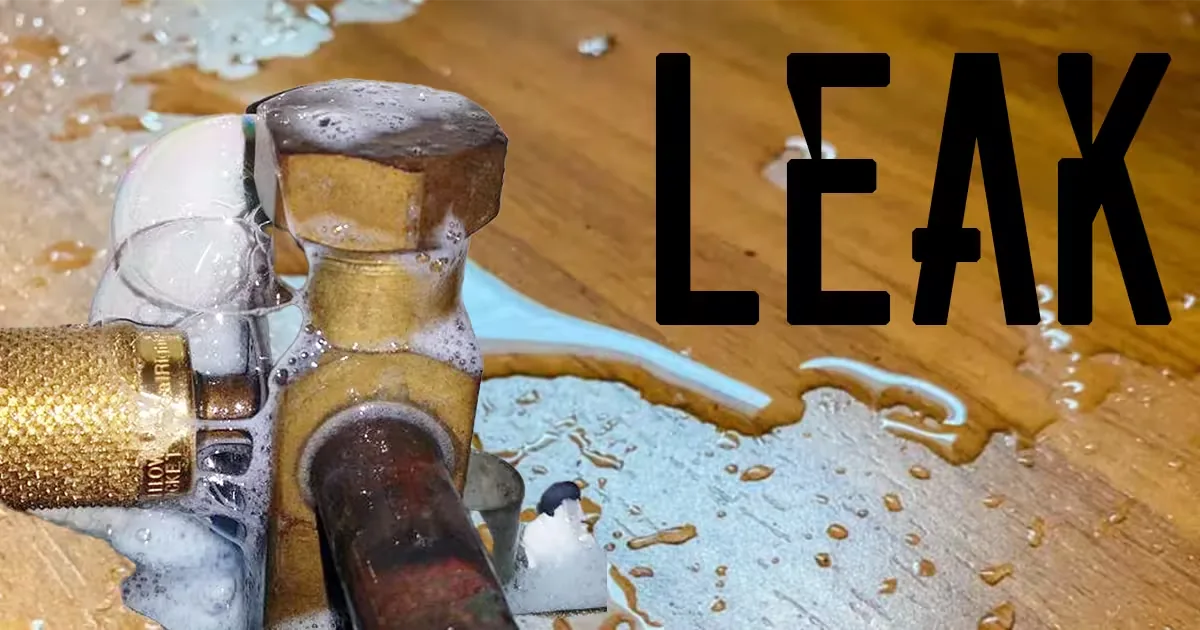
What Is Causing My Air Conditioner to Leak Water?
Homeowners often wonder what causes my AC unit to leak water which is a common issue with several potential sources. Identifying the root cause is crucial for effective repair and preventing further water damage to your property. Here are some potential causes:
Drain Line Clog
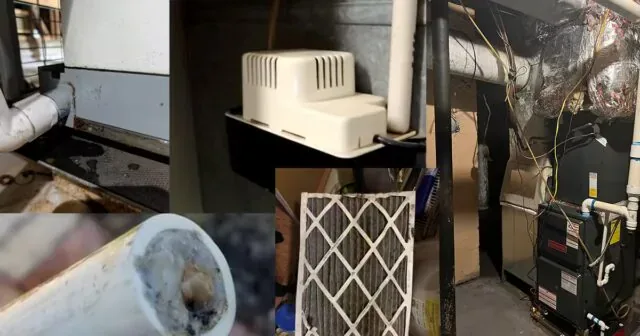
AC drain lines clog from accumulated algae, mold, dust, and debris in the condensate pan. This buildup solidifies, blocking the drain and causing leaks.
Overflow Pan Crack
A cracked overflow pan fails to catch overflow when the primary drain line connection is blocked. Age, physical damage, or corrosion from moisture can weaken the pan, leading to cracks and subsequent leaks from the system.
Dirty Air Filter
A dirty air filter restricts airflow across the evaporator coil, potentially causing it to overcool and freeze. When it thaws, excess water can overwhelm the drainage system, leading to a leak, unrelated to the initial installation.
Improper Installation
Improper AC installation can lead to issues like an incorrectly sloped condensate drain line. This prevents proper drainage, so what causes AC to leak water in this case is the standing water backing up due to faulty installation.
Broken Pump
If the condensate pump is broken, it cannot effectively remove water from the system, hindering its drainage efficiency. This backup of water is what causes AC unit to leak water since the pump’s failure prevents proper disposal.
What Is Causing Air Conditioner to Leak Refrigerant?
Understanding what causes AC to leak refrigerant is essential for homeowners to address cooling issues promptly. Several factors can contribute to these leaks, ranging from natural wear to external influences, all impacting the efficiency and lifespan of your air conditioning system. Because refrigerant is regulated, the EPA requires that it be recovered and handled by certified technicians (EPA Section 608), so leak repair isn't a DIY job.
Formic Acid Corrosion Causes Freon leaks
Formic acid, a byproduct of chemical reactions within the AC system involving oil and moisture, can corrode copper tubing over time. This corrosion will damage the refrigerant lines, eventually this is what causes freon leaks in air conditioner.
Daily wear and tear
Regular AC operation causes expansion and contraction, weakening seals and connections over time. This vibration contributes to wear, creating cracks in refrigerant lines over time, ultimately leading to leaks.
Mechanical Vibrations
Mechanical vibrations within the air conditioning system can gradually loosen fittings and connections in the refrigerant lines. This constant movement and stress eventually create tiny cracks or openings, allowing refrigerant to leak out over time.
Physical Damage
Physical damage to the air conditioner, such as dents or impacts to the refrigerant lines, can create punctures or cracks, directly causing a drop in the refrigerant level and leading to leaks.
Factory Defects
Factory defects during manufacturing can lead to faulty seals or weak points in refrigerant lines, which, over time, can fail and cause leaks, impacting the system’s cooling ability. Therefore what causes refrigerant leaks in air conditioners can sometimes be traced back to these initial flaws.
Improper Cooling System Installation
Improper cooling system installation, a concern addressed by air conditioning repair in Sacramento, can stress refrigerant lines or connections, leading to eventual damage and leaks.
Need a hand? Alpha Mechanical can help with AC repair in Sacramento, including refrigerant leak detection and recharge.
Signs of an AC Refrigerant Leak
Recognizing the signs of a refrigerant leak is crucial for maintaining your AC’s efficiency and preventing further damage. Neglecting these indicators can lead to more significant issues and higher energy bills, all of this further indicating the importance of regular ac maintenance service, which the U.S. Department of Energy recommends at least once a year. The low refrigerant levels cause an “undercharged AC.” The reverse problem of an overcharged AC unit is just as important to address. The following points outline several common signs that may suggest your air conditioner is losing refrigerant:
Reduced Airflow from Your AC System
Weak airflow from your AC may indicate a refrigerant leak. Less refrigerant reduces cooling capacity, making the system work harder with diminished output, which makes for weaker airflow.
Frozen Air Conditioner Coils
Frozen AC coils can be a sign of a refrigerant leak because low refrigerant levels cause the pressure in the system to drop, making the evaporator coil extremely cold and leading to ice formation due to moisture in the air.
Higher Indoor Humidity Levels
Frozen AC coils can indicate a refrigerant leak. Low refrigerant causes low system pressure, making coils very cold and freezing moisture. While freezes don’t directly cause coil leaks, they’re a key reason what causes AC coils to leak leading to water issues upon thawing.
Unexpected Rise in Energy Costs
With less refrigerant, the AC works harder and longer to cool, increasing energy consumption and your utility costs which could explain a sudden rise in your utility bill.
Want more guidance? Browse our HVAC learning hub for more homeowner troubleshooting resources.
Final Thoughts
Understanding the common causes of both water and refrigerant leaks in your AC system is the first step toward effective maintenance and preventing costly repairs for Sacramento, California residents. If you’re experiencing water or refrigerant leaks, or notice any of the related warning signs, don’t hesitate to seek expert help.
Alpha Mechanical is a trustworthy HVAC company ready to address all your ac services needs. Contact us today for reliable diagnostics and effective repairs to keep your AC unit blowing cold air all season long.
Frequently Asked Questions
Can an air conditioner run out of refrigerant over time?
Refrigerant doesn't get "used up" like fuel; it circulates in a sealed loop. But it can gradually escape through leaks caused by wear, corrosion, loose connections, or manufacturing flaws, so a low charge always points to a leak that needs repair.
Is a water leak different from a refrigerant leak?
Yes, very different. A water leak is condensation that isn't draining, usually from a clogged drain line, cracked pan, or dirty filter, and shows up as puddles. A refrigerant leak is escaping coolant, shows up as weak cooling, frozen coils, or hissing, and must be handled by a certified technician.
How dangerous is a refrigerant leak in my AC?
Refrigerant leaks carry environmental and health risks if inhaled, and they raise energy bills, reduce cooling, and can damage the compressor. Shut the system down and call a professional if you suspect one.
Can a dirty air filter cause AC leaks?
Yes. A dirty filter restricts airflow, which can freeze the evaporator coil; when the ice melts it overwhelms the drainage system and leaks water. Changing the filter regularly is one of the easiest ways to prevent it.